THE BEST GIFTS FOR BOOK LOVERS: CREATING A LITERARY REDING BOOK
There’s something magical about a reading nook. It’s more than just a corner with a chair—it’s a personal escape, a quiet retreat where stories come alive and the outside world fades away. For book lovers, the perfect gift isn’t just another novel—it’s anything that enhances the experience of reading itself. The best gifts for book lovers help transform ordinary spaces into cozy literary sanctuaries. Whether you’re shopping for a birthday, holiday, or just because, thoughtful reading nook gifts combine comfort, atmosphere, and personal style. Here’s how to create a dreamy reading corner through meaningful, cozy, and practical gifts.
1. Start With Comfort: The Foundation of Every Reading Nook Every great reading nook begins with comfort. Book lovers often spend hours lost in stories, so physical ease is essential. One of the most appreciated gifts is anything that supports long reading sessions without discomfort. Think soft seating, supportive cushions, and cozy layers. A plush throw blanket, a reading pillow with arm support, or even a bean bag chair can instantly upgrade a space. These items help reduce strain on the neck and back while making reading feel effortless and indulgent. Comfort-based gifts turn reading from a casual hobby into a full-body experience of relaxation and rest.
2. Lighting That Brings Stories to Life Lighting is one of the most important elements in a reading nook. Harsh overhead lights can feel cold and tiring, while soft, warm lighting creates a calm and inviting atmosphere. The best gifts in this category include:
● Adjustable reading lamps
● Clip-on book lights
● Warm-toned LED lamps
● Decorative lanterns or fairy lights A well-lit nook makes reading easier on the eyes and helps set a peaceful mood for long reading sessions. Many book lovers say the right lighting is what finally helps them “settle in” and get lost in a story. A cozy glow transforms even the smallest corner into a magical escape.
3. Cozy Textiles: Blankets, Pillows, and Layers of Warmth Nothing says “reading nook” like soft textures. Cozy textiles are one of the easiest and most impactful gift categories for book lovers. A thick knit throw, a fuzzy blanket, or layered pillows can instantly change the feel of a room. These gifts add warmth, personality, and visual comfort. Many readers also enjoy seasonal layering—switching blankets or pillow covers depending on the weather. This keeps their reading space feeling fresh and intentional all year long. As one design guide notes, layered textiles are key to turning a simple corner into a lived-in sanctuary.
4. Scented Candles: Setting the Mood for Every Chapter Scent is one of the most powerful ways to shape atmosphere, and candles are a perfect gift for book lovers. Book-inspired or cozy-themed candles help create an immersive reading experience. Scents like vanilla, sandalwood, amber, lavender, and “old library” blends are especially popular because they feel nostalgic and calming. Lighting a candle before reading signals the brain that it’s time to slow down and relax. It turns reading into a ritual instead of just an activity. Many curated gift guides consistently highlight candles as one of the most reliable and loved book lover gifts.
5. Personal Library Accessories: Making Reading Feel Special For readers who take pride in their collections, library-style accessories are incredibly meaningful gifts. These items help organize, personalize, and celebrate their books. Great options include:
● Custom bookmarks
● Book embossers or stamps
● Library cards for lending books
● Decorative bookplates
● Stylish bookends These gifts add a sense of identity and ownership to a personal library. They also make reading feel more intentional, almost like curating a private collection. It’s a simple way to turn everyday reading into something ceremonial and meaningful.
6. Functional Gifts That Make Reading Easier Some of the most appreciated reading nook gifts are the ones that quietly solve everyday problems. These practical tools improve comfort and usability without taking away from the cozy aesthetic. Popular functional gifts include:
● Adjustable book stands for hands-free reading
● Lap desks for reading in bed or on the couch
● Page holders to reduce hand strain
● Blue-light glasses for e-readers
● Magnetic or clip bookmarks These tools are especially helpful for avid readers who spend hours immersed in books. They make long reading sessions easier and more enjoyable without breaking the cozy vibe.
7. Décor That Builds the Atmosphere A reading nook should feel personal, not generic. That’s where décor gifts come in. These items help set the tone and reflect the reader’s personality. Some thoughtful ideas include:
● Literary-themed wall art
● Framed quotes from favorite books
● Small indoor plants for a calming touch
● Decorative shelves for favorite reads
● Vintage-style lamps or accents Even small decorative additions can completely transform a corner into a themed reading retreat. The goal is to create a space that feels like theirs—not just a random seat in the house.
8. Beverage Gifts for Cozy Reading Rituals Reading and warm drinks naturally go together. That’s why mugs, tea sets, and beverage accessories make excellent gifts for book lovers. Think:
● Literary quote mugs
● Tea sampler boxes
● Coffee gift sets
● Insulated tumblers for long reading sessions These gifts encourage slow, cozy moments. A warm drink paired with a good book creates a sensory ritual that enhances relaxation and focus. It’s a small detail, but it makes a big difference in building the reading nook experience.
9. Gift Bundles: Building the Perfect Reading Nook Experience One of the best ways to gift for book lovers is to combine multiple cozy elements into a themed bundle. Instead of one item, you’re creating an experience. For example:
● A blanket + candle + book light “cozy night kit”
● A mug + tea + bookmark “reading ritual set”
● A pillow + throw + wall art “nook starter kit” These curated bundles help someone instantly build or upgrade their reading space without needing to shop for individual pieces. Even simple combinations can turn an empty corner into a fully formed sanctuary.
Final Thoughts: The Gift of Escape The best gifts for book lovers aren’t just objects—they’re experiences. A reading nook is more than décor; it’s a space for imagination, rest, and emotional escape. When you give gifts that support comfort, atmosphere, and personal expression, you’re not just helping someone read more—you’re helping them slow down, unwind, and reconnect with themselves. Whether it’s a soft blanket, a glowing candle, or a thoughtfully chosen accessory, each piece plays a role in building something bigger: a cozy literary sanctuary where stories feel even more alive. And that’s what makes these gifts unforgettable.
HOW TO CREATE A COZY HOME SANTUARY ON A BUDGET
A cozy home sanctuary isn’t about how much money you spend—it’s about how your space makes you feel. It’s that sense of calm when you walk through the door, the comfort of soft lighting in the evening, and the feeling that your home actually supports your rest instead of draining your energy. The good news is you don’t need expensive furniture, designer décor, or a full renovation to achieve it. With a few intentional changes, you can transform any space into a warm, inviting sanctuary on a budget. It’s all about layering comfort, using what you already have, and making small upgrades that have a big emotional impact. Here’s how to do it step by step.
1. Start With a Clear, Calm Foundation Before adding anything new, the first step in creating a cozy home is removing what doesn’t belong. Clutter is one of the biggest barriers to feeling relaxed at home. When your environment feels visually overwhelming, your mind often mirrors that stress. You don’t need to become a minimalist overnight. Instead, focus on small, manageable decluttering sessions. Start with one surface: a coffee table, a nightstand, or a kitchen counter. Remove items that don’t serve a purpose or bring you joy. Once the excess is gone, your space instantly feels lighter and more peaceful—without spending a single dollar.
2. Use Lighting to Instantly Change the Mood Lighting is one of the most powerful tools for creating a cozy atmosphere, and it’s also one of the most budget-friendly. Harsh overhead lighting tends to make rooms feel cold and sterile. Instead, aim for soft, layered lighting. You can achieve this by using:
● Table lamps
● Floor lamps
● String lights
● Candles
● Warm-toned LED bulbs Even swapping out a bright white bulb for a warm yellow one can dramatically shift the mood of a room. Candles, in particular, are a simple and affordable way to add instant warmth. The flicker of a flame naturally slows the mind and creates a calming environment, making even a basic space feel intentional and peaceful.
3. Layer Textures for Instant Comfort Cozy spaces are built on texture. You don’t need expensive décor pieces—you just need layers that make your home feel soft and inviting. Look around your home and gather items you already own:
● Throw blankets
● Pillows
●Rugs
● Curtains
● Fabric storage bins Mixing textures like knit, cotton, faux fur, and linen adds depth and warmth to any room. Drape a blanket over your couch, stack pillows in corners, or add a rug under a coffee table to anchor the space. Thrift stores and discount home shops are also great places to find affordable textiles that can completely change the feel of a room.
4. Bring Nature Indoors Adding natural elements is one of the easiest ways to make a home feel grounded and peaceful. Nature has a calming effect on the mind, and even small touches can make a big difference. You don’t need expensive plants or elaborate arrangements. Simple options include:
● Low-maintenance houseplants (like pothos or snake plants)
● Fresh flowers from a grocery store
● Branches or greenery from outside
● Small bowls of natural stones or wood accents If plants aren’t your thing, even nature-inspired colors like soft greens, browns, and creams can help create a similar calming effect. Nature brings balance into a space, making it feel alive rather than static.
5. Create Cozy Corners Instead of Perfect Rooms A cozy home doesn’t have to be perfectly styled from top to bottom. In fact, trying to make every room look “finished” can be overwhelming and expensive. Instead, focus on creating small cozy corners. These are intentional spaces designed for comfort and relaxation. For example:
● A reading corner with a chair, blanket, and lamp
● A tea or coffee station in your kitchen
● A meditation or quiet space with a cushion and soft lighting
● A small desk setup that feels organized and calm These pockets of comfort give your home personality and purpose without requiring a full redesign.
6. Use Scent to Build Emotional Warmth Scent is one of the most powerful and affordable ways to transform your home atmosphere. It connects directly to memory and emotion, which means it can instantly shift how a space feels. You can use:
● Candles
● Essential oil diffusers
● Simmer pots on the stove
● Room sprays Warm, comforting scents like vanilla, coconut, cedarwood, cinnamon, or lavender help create a sense of emotional safety and relaxation. When used consistently, scent can even become part of your home’s identity—your brain begins to associate that smell with comfort and rest.
7. Repurpose and Rearrange What You Already Own One of the most overlooked budget-friendly design strategies is simply rearranging your home. Before buying anything new, try:
● Moving furniture to different walls
● Swapping décor between rooms
● Layering items you already own in new ways
● Stacking books as decorative pieces
● Using baskets for stylish storage Sometimes a space feels “off” not because it needs more items, but because the layout isn’t working. Rearranging costs nothing but can completely refresh the energy of a room.
8. Add Soft Personal Touches A cozy home should reflect your personality, not just a design trend. Personal items make a space feel lived-in and meaningful. This can include:
● Family photos in simple frames
● Handmade items or crafts
● Books you actually enjoy
● Travel souvenirs
● Artwork that resonates with you You don’t need expensive décor pieces to make a space beautiful. Often, the most meaningful items are already in your home. The key is displaying them intentionally instead of letting them get lost in clutter.
9. Focus on Comfort Over Perfection One of the biggest mindset shifts in creating a cozy home is letting go of perfection. Cozy spaces are not meant to look like showrooms—they are meant to be lived in. A slightly rumpled blanket, a stack of books, or a well-used mug on the table all add to the warmth of a space. These small imperfections make your home feel human and welcoming. Instead of asking, “Does this look perfect?” ask, “Does this feel comfortable?” That shift alone changes everything.
10. Build Cozy Habits Into Your Space A true sanctuary isn’t just about how your home looks—it’s about how you use it. Cozy living comes from small daily rituals that bring comfort and calm. Try building habits like:
● Lighting a candle at night
● Drinking tea in the same cozy corner each morning
● Turning off harsh lights an hour before bed
● Playing soft music while cooking or cleaning
● Taking a few minutes to sit in silence in your favorite space These routines turn your home into more than just a place you live—it becomes a place that supports your well-being.
Final Thoughts Creating a cozy home sanctuary on a budget is absolutely possible. It doesn’t require expensive furniture or designer décor. It requires intention, creativity, and a focus on how your space makes you feel. By decluttering, adjusting lighting, layering textures, adding natural elements, and incorporating scent and personal touches, you can completely transform your home without overspending. At its core, coziness is about comfort, warmth, and emotional ease. When you prioritize those feelings over perfection, your home naturally becomes a place of rest, peace, and restoration—no matter your budget.
WHY HAND-POURED CANDLES MAKE THE BEST SUSTAINABLE GIFTS
In a world where fast production and disposable products have become the norm, more people are searching for gifts that feel intentional, meaningful, and environmentally responsible. That shift has brought handmade, small-batch products back into the spotlight—especially hand-poured candles. These candles are more than just home fragrance items; they represent craftsmanship, care, and a more sustainable way of giving. Whether for birthdays, holidays, housewarmings, or self-care packages, hand-poured candles stand out as one of the most thoughtful and eco-conscious gift options available today. Here’s why they make such powerful sustainable gifts and why they continue to grow in popularity.
1. Small-Batch Production Reduces Environmental Waste One of the biggest advantages of hand-poured candles is their small-batch production process. Unlike mass-produced candles made in factories, hand-poured candles are typically crafted in limited quantities. This immediately reduces overproduction, waste, and unnecessary resource consumption. Large-scale manufacturing often prioritizes quantity over quality, leading to excess inventory that may never be sold. That unsold stock often ends up discarded or heavily discounted, contributing to waste. In contrast, small-batch candle makers produce only what is needed, ensuring materials are used efficiently and intentionally. This mindful approach to production helps reduce the environmental footprint of each candle, making it a more sustainable choice from the start.
2. Cleaner Ingredients for a Healthier Home Sustainability isn’t just about the environment—it’s also about health. Many hand-poured candles are made with cleaner-burning waxes such as soy wax, coconut wax, or beeswax instead of paraffin, which is derived from petroleum. Paraffin candles can release toxins when burned, while natural wax alternatives tend to burn cleaner and produce less soot. This makes hand-poured candles a safer option for indoor air quality, especially in homes with children, pets, or individuals sensitive to synthetic fragrances. In addition, many artisan candle makers use phthalate-free fragrance oils or essential oils, further reducing exposure to harmful chemicals. The result is a product that supports both personal wellness and environmental responsibility.
3. Longer Burn Time Means Less Waste Hand-poured candles are often crafted with higher-quality wax blends and more careful attention to detail, resulting in a longer burn time compared to mass-produced alternatives. A longer-lasting candle means fewer replacements, which ultimately reduces consumption and waste over time. Instead of constantly repurchasing low-quality candles that burn quickly and unevenly, a well-made hand-poured candle provides extended enjoyment. This durability makes them not only more cost-effective in the long run but also more sustainable, as fewer resources are needed for repeated production and shipping.
4. Eco-Friendly Packaging Choices Another reason hand-poured candles make excellent sustainable gifts is the packaging. Many small candle businesses are moving away from excessive plastic and non-recyclable materials in favor of eco-friendly alternatives. You’ll often find candles packaged in: ● Recyclable glass jars ● Reusable tins
● Kraft paper boxes
● Minimalist wrapping materials Some even design their packaging to be repurposed, encouraging customers to reuse containers as storage jars, plant holders, or décor pieces once the candle has burned down. This reduces landfill waste and gives packaging a second life, which aligns perfectly with sustainable living values.
5. Supporting Small Businesses and Ethical Craftsmanship Sustainable gifting isn’t just about materials—it’s also about supporting ethical production and local economies. Hand-poured candles are often made by small business owners, artisans, or independent creators who take pride in their craft. When you purchase a handmade candle, you’re not contributing to large-scale industrial manufacturing. Instead, you’re supporting real people who carefully pour, test, and design each product by hand. This creates a ripple effect:
● More money stays within local communities
● Craftsmanship and skill are valued over mass production
● Ethical labor practices are more transparent and common Gifting a hand-poured candle means your purchase carries meaning beyond the product itself—it supports a story, a person, and a passion.
6. Customization Makes Gifts More Meaningful One of the most special aspects of hand-poured candles is the ability to customize them. Many small candle makers offer personalized scents, labels, and packaging options, making each candle feel unique. Instead of giving a generic store-bought gift, you can choose a scent that matches the recipient’s personality or memories. For example:
● Lavender for relaxation and stress relief
● Vanilla or coconut for warmth and comfort
● Citrus for energy and positivity
● Woody scents for grounding and calm This level of personalization transforms a simple candle into a thoughtful experience. It shows intention, care, and emotional awareness—qualities that make gifts truly memorable.
7. Encouraging Slow Living and Mindful Moments Hand-poured candles naturally align with the concept of slow living. Lighting a candle invites people to pause, relax, and be present. In a fast-paced world filled with screens and constant stimulation, this simple act becomes a form of mindfulness. Sustainable gifting is not just about the physical product—it’s about the experience it creates. A candle encourages moments of rest, reflection, and comfort. Whether someone is reading, taking a bath, or winding down after work, the soft glow of a candle helps create a calming atmosphere. This emotional impact is part of what makes candles such meaningful gifts. They don’t just sit on a shelf—they become part of someone’s daily rituals.
8. Reduced Carbon Footprint Through Local Sourcing Many hand-poured candle makers source their materials locally or in small quantities, which helps reduce transportation emissions compared to large global supply chains. Mass-produced candles often involve multiple stages of international shipping, warehousing, and distribution. Each step adds to the product’s carbon footprint. Small-batch candle businesses, on the other hand, often operate within local or regional markets. This means fewer shipping miles, less packaging waste, and a more environmentally conscious supply chain overall. Choosing handmade candles supports a more localized and sustainable economy.
9. Reusability and Upcycling Potential Once a hand-poured candle has finished burning, the container doesn’t have to be thrown away. In fact, many of these containers are designed with reuse in mind. Glass jars and tins can be cleaned and repurposed in many creative ways: ● Storage for small household items ● Makeup brush holders
● Mini planters for herbs or succulents
● Decorative storage for office supplies This extends the life of the product far beyond its original purpose, reducing waste and encouraging creativity in everyday living.
10. A Gift That Feels Personal, Not Disposable Perhaps the most important reason hand-poured candles make the best sustainable gifts is the feeling they create. Unlike mass-produced items that can feel impersonal, handmade candles carry warmth and intention. They reflect time, effort, and creativity. When someone receives a hand-poured candle, they’re not just receiving a product—they’re receiving a moment of care, thoughtfully crafted and intentionally chosen. In a culture where so many gifts are quickly forgotten or discarded, a candle stands out as something that invites use, enjoyment, and emotional connection.
Final Thoughts Hand-poured candles represent a beautiful balance between sustainability, craftsmanship, and emotional meaning. They reduce environmental waste, support small businesses, use cleaner ingredients, and encourage mindful living—all while offering a deeply personal gifting experience. Choosing them as gifts is more than a style preference; it’s a conscious decision to value quality over quantity and meaning over mass production. In the end, the best gifts are not just things—they are experiences, feelings, and memories. Hand-poured candles deliver all three, wrapped in a warm glow that lasts long after the flame has gone out.
a beginner’s guide to hygge: INCORPORATING WARMTH INTO EVERY ROOM
There’s a reason the word Hygge (pronounced “hoo-gah”) has become so popular in home décor, wellness, and lifestyle spaces. It represents more than just a design trend—it’s a way of living. Originating from Denmark, Hygge is all about creating a feeling of comfort, warmth, and contentment in everyday moments. It’s the art of slowing down, appreciating simplicity, and making your surroundings feel safe, soft, and inviting. The good news is you don’t need a Scandinavian home or expensive décor to embrace Hygge. You can create it in any space by intentionally layering warmth into every room. This beginner’s guide will walk you through what Hygge really means and how to bring it into your home, room by room.
What Hygge Really Means At its core, Hygge is about atmosphere and feeling. It’s not just what your home looks like—it’s how it makes you feel when you’re in it. Think of cozy evenings with soft lighting, warm blankets, comforting scents, and moments of peace with no pressure to perform or rush. Hygge is often associated with winter, but it can be practiced year-round. It’s about creating emotional warmth through physical space. That warmth can come from lighting, textures, colors, scents, and even routines. Instead of focusing on perfection, Hygge encourages comfort and authenticity. A slightly messy but lived-in home with warmth and personality is far more Hygge than a picture-perfect space that feels cold or unused.
The Foundation of Hygge: Warm Lighting Lighting is one of the most important elements of Hygge design. Harsh overhead lighting can make a space feel sterile, while soft, warm lighting creates instant comfort. To bring Hygge into your home, replace bright white bulbs with warm-toned lighting. Use table lamps, floor lamps, string lights, or candles to create layered lighting throughout your space. Candles are especially important in Hygge culture. The soft flicker of a flame naturally slows the mind and creates a calming environment. Even just lighting one candle in a room can completely change its mood. The goal is simple: avoid lighting that feels clinical, and instead create a glow that feels gentle, warm, and lived-in.
Living Room: The Heart of Comfort The living room is often where Hygge begins. It’s the space where you relax, gather, and unwind, so it should feel like a soft landing at the end of the day. Start with textures. Add throw blankets, knitted pillows, and soft rugs. Layering textures creates depth and warmth. You don’t need everything to match perfectly—in fact, a slightly eclectic mix often feels more inviting. Next, consider your seating. Arrange furniture in a way that encourages conversation and closeness. Hygge is not about distance—it’s about connection. Finally, bring in scent. A cozy candle or diffuser with warm notes like vanilla, amber, cedarwood, or coconut can make your living room feel instantly comforting. Scent is one of the fastest ways to create emotional warmth in a space.
Kitchen: Warmth Through Simplicity and Ritual The kitchen is often overlooked when it comes to cozy design, but it’s actually one of the most important Hygge spaces. In Denmark, food and shared meals are central to the Hygge lifestyle. To bring warmth into your kitchen, focus on simplicity and ritual. Keep countertops clean but not empty—add small touches like wooden utensils, ceramic bowls, or a bowl of fresh fruit. Cooking itself can become a Hygge experience. Slow down and enjoy the process instead of rushing through it. Brew tea, bake something simple, or prepare a comforting meal without distraction. You can also add warmth through scent here. Light citrus or spice-based candles while cooking to make the space feel more inviting and alive.
Bedroom: Your Personal Cozy Retreat Your bedroom should feel like the most peaceful room in your home. Hygge in the bedroom is all about rest, softness, and emotional calm. Start with bedding. Choose soft, breathable fabrics and layer blankets to create a nest-like feeling. Neutral tones like cream, beige, soft gray, or muted pastels help maintain a calm atmosphere. Lighting is especially important here. Avoid bright ceiling lights and opt for warm bedside lamps or soft string lights instead. The goal is to signal to your brain that this space is for rest and relaxation. Scent also plays a powerful role. Warm, soothing fragrances like lavender, vanilla, or sandalwood can help create a sense of calm before sleep. A lightly scented candle or pillow spray can help turn your bedroom into a nightly retreat.
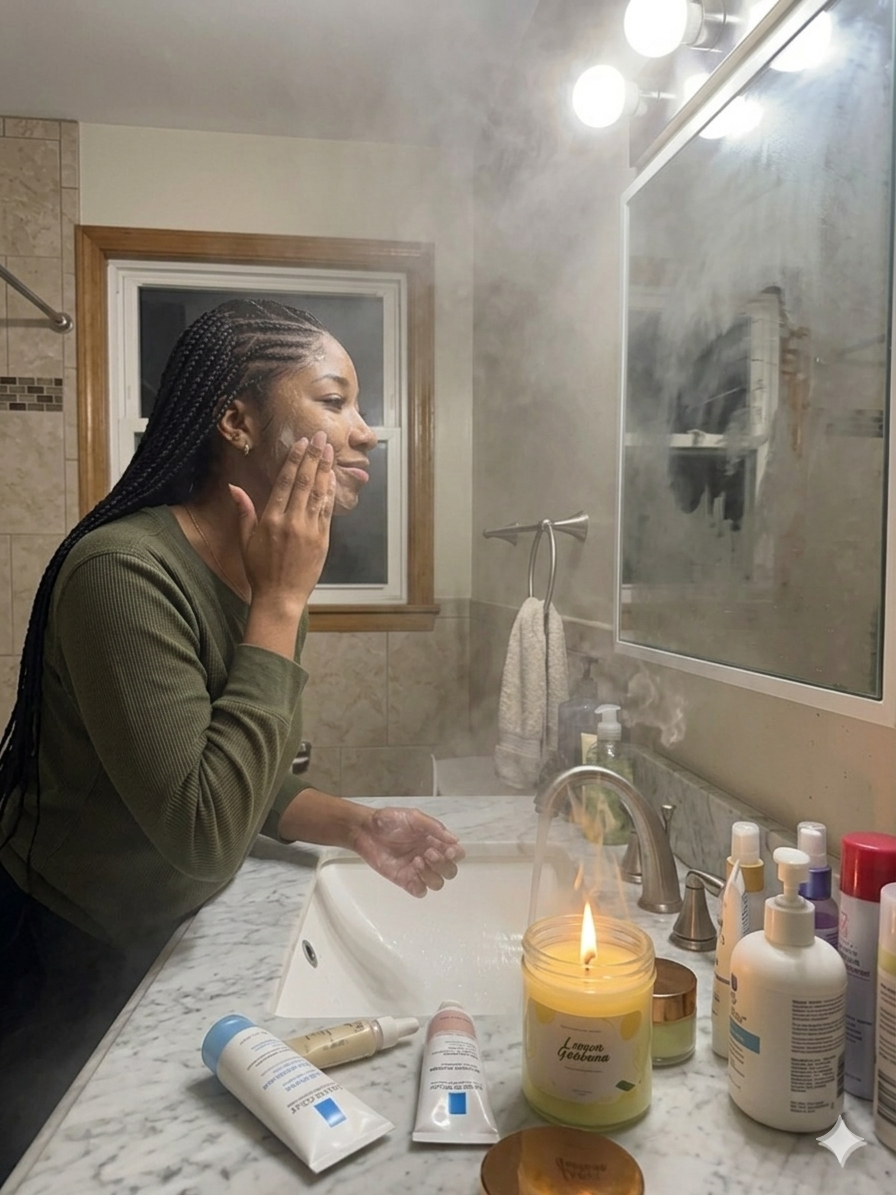
Bathroom: A Spa-Like Escape Hygge in the bathroom is about turning everyday routines into moments of self-care. Instead of treating your bathroom as purely functional, think of it as a mini spa. Start by decluttering surfaces and keeping only what you use daily. Add soft towels, natural materials like wood or stone, and simple décor elements that feel calming. To elevate the atmosphere, incorporate scent and steam. Lighting a candle during a bath or shower can completely transform the experience. Warm, clean scents like eucalyptus, coconut, or soft florals work especially well here. Even small rituals—like applying lotion slowly, taking a warm bath, or simply washing your face mindfully—can become Hygge moments when done with intention.
Home Office: Calm Focus and Gentle Productivity A Hygge-inspired home office balances productivity with comfort. The goal is not to eliminate work energy but to soften it. Start with your lighting. Natural light is ideal, but if that’s not possible, use warm desk lamps instead of harsh overhead lighting. Keep your space organized but not sterile. Add personal touches like plants, candles, or calming artwork. These elements help reduce stress and make the space feel more human. Scent can also support focus. Light herbal or citrus candles to keep your mind clear and energized without feeling overwhelmed. Most importantly, make your workspace feel inviting. A comfortable chair, a soft blanket nearby, or a warm drink can make work feel less stressful and more grounded.
Hallways and Entryways: First Impressions of Warmth Even transitional spaces like hallways and entryways can carry Hygge energy. These areas set the tone for your entire home. Add soft lighting near the entrance to create a welcoming glow when you walk in. A small candle or warm lamp can instantly shift the mood from outside chaos to indoor calm. Keep décor minimal but intentional. A mirror, a small plant, or a simple shelf can make the space feel cared for without clutter. If possible, add a signature scent near your entryway. This creates an immediate sensory cue that you are entering a comforting, familiar environment.
Final Thoughts: Hygge Is a Feeling, Not a Formula The most important thing to understand about Hygge is that it is not about perfection or expensive décor. It’s about intention. It’s about choosing warmth over harshness, comfort over clutter, and presence over distraction. When you begin to incorporate Hygge into your home, room by room, you’re really creating a lifestyle shift. You’re designing a space that supports rest, connection, and emotional well-being. Start small. Light a candle in the evening. Add a soft blanket to your couch. Choose warm lighting instead of bright overhead bulbs. Over time, these small changes build a home that doesn’t just look cozy—it feels like comfort itself. That is the true essence of Hygge.
5 scents profiles to boost your productivity while working from home
Working from home has its advantages—flexibility, comfort, and control over your environment—but it also comes with challenges like distraction, low motivation, and mental fatigue. One often overlooked way to improve focus and productivity is through scent. The right fragrance can shift your mood, sharpen your thinking, and even help you build a more intentional work routine. This is where scent profiling comes in. Different scent profiles activate different emotional and cognitive responses in the brain. By intentionally choosing fragrances throughout your workday, you can create a home office environment that supports energy, clarity, calm, and creativity. Below are five powerful scent profiles that can help boost productivity while working from home, along with how and when to use them for the best results.
1. Citrus Profiles: Energy and Mental Clarity Citrus scents like lemon, orange, grapefruit, and bergamot are known for their bright, uplifting properties. These fragrances are often associated with cleanliness and freshness, but their benefits go deeper than just smell. Citrus oils stimulate the brain and are linked to improved concentration, alertness, and reduced mental fatigue. If you find yourself dragging in the morning or struggling to focus after lunch, citrus is the perfect reset scent. Best for:
● Morning work sessions
● Starting your to-do list
● Beating midday fatigue
● Tasks that require focus and quick thinking How to use it: Light a citrus-based candle or diffuse citrus oils right at the start of your workday. The goal is to signal to your brain that it’s time to wake up and engage.
2. Herbal Profiles: Focus and Mental Stability Herbal scents such as rosemary, basil, sage, and thyme are grounding and mentally clarifying. Rosemary in particular has been studied for its potential to support memory and cognitive performance. Herbal scents are less “energizing” than citrus but more stabilizing. They help reduce mental clutter and improve sustained focus, making them ideal for deep work. Best for:
● Writing, planning, or analyzing tasks
● Long focus sessions
● Studying or learning new skills
● Reducing mental overwhelm How to use it: Use herbal scents during your “deep work blocks.” They help create a consistent mental state where distractions feel less intrusive and your thoughts stay organized.
3. Mint Profiles: Alertness and Refreshment Mint-based scents like peppermint and spearmint are incredibly effective for boosting alertness. They create a cooling, invigorating sensation that helps wake up the senses almost instantly. If you ever feel your energy drop mid-task or find yourself zoning out during repetitive work, mint can help reset your focus quickly. Best for:
● Afternoon energy slumps
● Repetitive or detail-heavy tasks
● Quick productivity boosts between meetings
● Mental reset after breaks How to use it: A peppermint candle or essential oil can be used in short bursts. You don’t need constant exposure—just a quick “scent reset” can refresh your mind for the next task.
4. Woody Profiles: Grounding and Discipline Woody scents such as cedarwood, sandalwood, oak, and pine create a sense of stability and calm discipline. These scents are often used in meditation spaces because they help ground the mind and reduce mental noise. In a home office, woody fragrances can help you feel more structured and intentional, especially if your environment is usually relaxed or distracting. Best for: ● Structured work routines ● Administrative or detailed tasks ● Creating a calm, professional mindset
● Reducing stress during busy days How to use it: Burn a woody candle when you want to step into “work mode.” Over time, your brain can start associating that scent with productivity and focus.
5. Warm Sweet Profiles: Comfort and Creative Flow Warm and slightly sweet scents like vanilla, amber, coconut, and tonka bean are deeply comforting. While they may not seem “productive” at first, they are incredibly useful for creativity and emotional balance. These scents reduce stress and create a cozy atmosphere, which can help creative ideas flow more naturally. They are especially helpful if your work involves brainstorming, designing, or content creation. Best for: ● Creative work (writing, designing, content planning)
● Reducing stress or anxiety
● Building a comfortable work environment
● End-of-day wind-down tasks How to use it: Light a warm, sweet candle during creative sessions or toward the end of your workday. It helps transition your mind from pressure to flow.
Building a Scent-Based Productivity Routine The key to using scent effectively is not just choosing the right fragrance—but using it intentionally. Instead of burning the same candle all day, match scents to specific tasks or parts of your routine. Here’s a simple structure you can follow:
● Morning: Citrus for energy and activation
● Mid-morning: Herbal for focus and deep work
● Afternoon: Mint for energy reset
● Evening work: Woody for discipline and structure
● Creative sessions: Warm sweet scents for flow and inspiration By pairing scent with activity, you train your brain to respond faster and more efficiently over time. Eventually, just smelling a fragrance can trigger a productive mindset automatically.
Why Scent Works for Productivity Scent is directly connected to the limbic system, the part of the brain that controls emotions, memory, and motivation. Unlike sight or sound, scent bypasses logical processing and triggers emotional responses instantly. This means the right fragrance can:
● Improve mood within seconds
● Trigger focus or relaxation states
● Reinforce work habits
● Reduce stress and mental fatigue In a home environment filled with distractions, scent becomes a powerful tool for creating boundaries between rest and productivity.
Final Thoughts Boosting productivity while working from home isn’t just about better schedules or time management—it’s also about shaping your environment to support your mindset. Scent profiling offers a simple but powerful way to do that. By intentionally using citrus for energy, herbs for focus, mint for alertness, wood for grounding, and sweet warm scents for creativity, you can transform your workspace into a system that works with your brain—not against it. Small changes in your environment can lead to major changes in your output. And sometimes, all it takes is the right scent to shift your entire workday.
the art of small-batch craftmanship: what it really means
In a world filled with mass production and fast consumption, the phrase “small-batch” has become more than just a trend—it’s a return to intention, quality, and craftsmanship. Whether it’s candles, skincare, or handmade goods, small-batch production represents a different approach: one that values care over quantity and experience over speed. But what does “small-batch” really mean, and why does it matter?
What Is Small-Batch Craftsmanship? Small-batch craftsmanship refers to producing products in limited quantities rather than in large-scale manufacturing runs. Instead of thousands of units being made at once by machines, small-batch items are often created by hand or in carefully controlled environments. This approach allows makers to focus on:
● Quality control
● Attention to detail
● Consistency in each product Rather than rushing to meet high demand, small-batch creators take their time to ensure that every item meets a certain standard.
The Human Touch Behind Every Product One of the defining features of small-batch production is the human element. Each product is handled, poured, inspected, or finished by a real person—not just a machine. This human involvement makes a difference. It means:
● Each item is crafted with intention
● Imperfections are minimized or corrected
● The final product feels more personal In the case of candles, this might mean carefully measuring wax, blending fragrances thoughtfully, and pouring each candle by hand to ensure a smooth, even finish.
Why Quality Is Higher in Small Batches When products are made in smaller quantities, there is more room to focus on quality at every step. In large-scale production, the goal is often speed and volume. While this can make products cheaper, it can also lead to inconsistencies, lower-quality materials, and less attention to detail. Small-batch production, on the other hand, allows for:
● Better ingredient selection
● More precise measurements
● Careful testing and refinement This is especially important for products like candles, where the balance of wax, wick, and fragrance directly affects performance.
Small-Batch Candles: A Closer Look In candle-making, small-batch craftsmanship plays a major role in the final experience. Each step matters:
● The type of wax used
● The way fragrance is blended
● The pouring process
● The curing time When candles are made in small batches, these steps can be carefully controlled. This often results in: ● A cleaner, more even burn ● A smoother scent throw
● A more consistent product overall For example, clean-burning coconut wax candles benefit greatly from small-batch production because they require precise handling to perform at their best.
The Value of Intentional Creation Small-batch craftsmanship isn’t just about the physical product—it’s also about the mindset behind it. It reflects a slower, more intentional way of creating. Instead of focusing on how much can be produced, the focus shifts to how well something can be made. This approach often leads to: ● More thoughtful designs
● Greater attention to customer experience
● A stronger connection between maker and customer When you purchase a small-batch item, you’re not just buying a product—you’re supporting a process that values care and creativity.
Sustainability and Small-Batch Production Another benefit of small-batch craftsmanship is its potential impact on sustainability. Producing smaller quantities can help reduce:
● Waste from overproduction
● Excess inventory
● Unnecessary resource use Many small-batch creators also prioritize eco-friendly materials and ethical sourcing, further contributing to a more sustainable approach. While not every small-batch product is automatically sustainable, the model itself encourages more mindful production practices.
Why It Matters for Your Home The products you bring into your home shape your environment and your daily experience. Choosing small-batch items can make your space feel more intentional and personal. With candles, for example, a well-crafted, small-batch product can:
● Enhance the atmosphere of your home
● Provide a more enjoyable scent experience
● Add a sense of warmth and comfort These small details can have a big impact on how your space feels.
Small-Batch vs. Mass-Produced: What’s the Difference? The difference between small-batch and mass-produced products often comes down to priorities. Mass-Produced Products:
● Focus on speed and quantity
● Lower cost
● Less individual attention Small-Batch Products:
● Focus on quality and detail
● Made in limited quantities
● Greater care in production While mass-produced items may be more widely available, small-batch products offer a level of craftsmanship that is harder to replicate at scale.
Final Thoughts Small-batch craftsmanship is about more than just how something is made—it’s about why it’s made that way. It represents a commitment to quality, intention, and a more meaningful connection between the product and the person using it. In a fast-moving world, choosing small-batch products is a way to slow down and appreciate the details. Whether it’s a hand-poured candle or another thoughtfully made item, these pieces bring a sense of care and authenticity into your space. And sometimes, it’s those small, intentional touches that make your home feel the most complete.
The Science of Scent and Memory: Why Certain Smells Trigger Emotions
2:58 PM
Have you ever smelled something that instantly took you back to a specific moment in your life? Maybe it was the scent of fresh coffee reminding you of quiet mornings, or a sweet fragrance that brought back childhood memories. This powerful connection between scent and memory isn’t just coincidence—it’s rooted in science. Our sense of smell is closely linked to how we process emotions and store memories, making it one of the most influential senses we experience. Understanding this connection can help you create a home environment that feels comforting, uplifting, and deeply personal.
How the Sense of Smell Works When you inhale a scent, tiny odor molecules travel through your nose and bind to receptors in your olfactory system. These receptors then send signals directly to your brain. What makes smell unique is where those signals go. Unlike other senses, scent information travels straight to two key parts of the brain:
● The amygdala, which processes emotions
● The hippocampus, which is responsible for memory Because of this direct connection, smells can trigger emotional responses and memories almost instantly—often before you even have time to think about them.
Why Smells Are So Strongly Linked to Memory This connection between scent, emotion, and memory is sometimes called the “Proust Effect,” named after a writer who famously described how a simple smell brought back vivid childhood memories. When you experience a scent during a meaningful moment—whether it’s happiness, comfort, or even stress—your brain stores that scent along with the memory. Later, when you smell it again, your brain retrieves both the memory and the emotion tied to it. This is why:
● A bakery scent can feel comforting and nostalgic
● A fresh, clean scent can make you feel calm and refreshed
● A specific fragrance can remind you of a person or place Scent doesn’t just remind you of memories—it helps you feel them again.
The Emotional Power of Fragrance Because scent is so closely tied to the emotional center of the brain, it has a powerful influence on mood. Different types of scents can trigger different emotional responses:
● Citrus scents (like lemon or orange) often feel energizing and uplifting
● Floral scents (like lavender or rose) are commonly associated with relaxation and calm
● Warm, sweet scents (like vanilla or baked goods) can create feelings of comfort and coziness
● Woodsy scents (like mahogany or teakwood) can feel grounding and sophisticated These emotional responses aren’t random—they’re shaped by both biology and personal experience.
How Scent Shapes Your Environment Because scent affects how we feel, it plays a major role in how we experience our surroundings. The right fragrance can transform a space from ordinary to inviting, from stressful to relaxing. For example:
● A fresh scent in your living room can make your home feel clean and open
● A soft, calming scent in your bedroom can support relaxation and better sleep
● A warm, sweet scent can make your space feel cozy and welcoming This is why many people use candles as part of their daily routines—not just for fragrance, but for the emotional atmosphere they create.
Creating Intentional Scent Experiences Once you understand how scent and memory are connected, you can begin to use fragrance more intentionally in your life. Instead of choosing a scent randomly, think about how you want to feel:
● Do you want to relax after a long day?
● Do you want to feel energized and productive?
● Do you want your home to feel warm and comforting? By choosing scents that align with those goals, you can create consistent emotional experiences in your space. Over time, those scents can even become part of your personal routines. For example, lighting the same candle each night can train your brain to associate that scent with relaxation, making it easier to unwind.
Why Scent Memories Feel So Vivid Unlike visual or auditory memories, scent memories often feel more intense and emotional. This is because they are processed in the same areas of the brain that handle emotion. When you smell something familiar, your brain doesn’t just recall the memory—it recreates the feeling tied to it. That’s why scent can feel so powerful, even overwhelming at times. It’s also why scent is often used in practices like aromatherapy, where specific fragrances are used to promote relaxation, focus, or emotional balance.
The Role of Quality in Scent Experience Not all fragrances are created equal. The quality of a scent can affect how it’s experienced and how long it lasts in your space. Clean-burning candles made with coconut wax, for example, tend to release fragrance more smoothly and consistently. This allows the scent to develop naturally, helping you fully experience the different layers and emotional effects. A well-crafted candle doesn’t just smell good—it creates an atmosphere that feels intentional and balanced.
Final Thoughts Scent is one of the most powerful and emotional senses we have. Its direct connection to memory and emotion allows it to influence how we feel in ways that are both immediate and long-lasting. By understanding the science behind scent and memory, you can become more intentional about the fragrances you bring into your home. Whether you’re looking to relax, feel inspired, or create a cozy environment, the right scent can make all the difference. The next time a fragrance catches your attention, take a moment to notice how it makes you feel. Chances are, it’s doing more than just smelling good—it’s connecting you to a memory, an emotion, or a moment that matters.
Understanding Fragrance Notes: Top, Middle, and Base Explained
Understanding Fragrance Notes: Top, Middle, and Base Explained When you light a candle and experience its scent, you’re not just smelling one single fragrance—you’re experiencing a carefully layered blend known as fragrance notes. These notes work together to create a complete scent journey, evolving over time as the candle burns. Understanding fragrance notes—top, middle, and base—can help you choose candles that match your mood, your space, and your personal preferences. Whether you enjoy bright citrus scents, soft florals, or deep woodsy aromas, knowing how these layers work will completely change how you experience fragrance.
What Are Fragrance Notes? Fragrance notes are the different layers of scent that you smell at various stages. Each note has its own role and timing, and together they create a balanced and long-lasting aroma. Think of fragrance notes like a story:
● The top note is the introduction
● The middle note is the heart
● The base note is the lasting impression As your candle burns, these notes reveal themselves in stages, creating a dynamic and evolving scent experience.
Top Notes: The First Impression Top notes are the scents you notice immediately after lighting a candle. They are light, fresh, and designed to capture your attention right away. These notes evaporate quickly, usually within the first 15–30 minutes, but they play an important role in setting the tone for the fragrance. Common Top Notes:
● Citrus (lemon, orange, bergamot)
● Light fruits (berries, apple)
● Fresh herbs (mint, basil) Why They Matter: Top notes create that “first impression” moment. For example, a bright lemon scent can instantly make a room feel clean and energized. However, because they fade quickly, they are only the beginning of the fragrance journey.
Middle Notes: The Heart of the Fragrance Once the top notes begin to fade, the middle notes (also called heart notes) take over. These form the core of the fragrance and are usually the most noticeable part of the scent. Middle notes are more balanced and rounded, lasting longer than top notes and helping to define the overall character of the candle. Common Middle Notes:
● Florals (rose, jasmine, lavender)
● Fruity blends
● Soft spices Why They Matter: Middle notes connect the freshness of the top notes with the depth of the base notes. They bring harmony and fullness to the fragrance, making it feel complete rather than one-dimensional. For example, in a strawberry and cream candle, the sweet fruitiness would often sit in the middle layer, giving the scent its signature identity.
Base Notes: The Lasting Impression Base notes are the foundation of the fragrance. These are the scents that linger the longest, even after the candle has been burning for hours—or even after it’s been extinguished. They are rich, deep, and grounding, giving the fragrance staying power and depth. Common Base Notes: ● Vanilla
● Musk
● Amber
● Woods (mahogany, teakwood, sandalwood) Why They Matter: Base notes anchor the entire fragrance. Without them, a scent would feel thin or incomplete. They also help the fragrance last longer in your space. For example, a mahogany teakwood candle relies heavily on base notes to create that bold, smooth, and sophisticated atmosphere.
How Fragrance Notes Work Together The magic of a great candle comes from how these three layers blend seamlessly. Instead of smelling each note separately, you experience them as a smooth transition: 1. The top note draws you in 2. The middle note keeps you engaged 3. The base note leaves a lasting impression This layering is what makes high-quality candles feel more luxurious and well-crafted.
Choosing the Right Candle Based on Notes Understanding fragrance notes makes it easier to choose the perfect candle for your space and mood. For Energy & Freshness: Look for strong top notes like citrus or clean scents. These are great for kitchens, mornings, or boosting your mood. For Relaxation: Choose candles with calming middle notes like lavender or soft florals. These are perfect for bedrooms and evening routines. For Warmth & Depth: Go for rich base notes like vanilla, musk, or woodsy scents. These create a cozy, grounded atmosphere—ideal for winding down.
Why This Matters for Candle Quality Not all candles are created equal. High-quality candles—especially those made with clean-burning coconut wax—are designed to release fragrance notes more evenly and effectively. A well-crafted candle will:
● Transition smoothly between notes
● Maintain a consistent scent throw
● Provide a balanced fragrance experience from start to finish This is what separates a basic candle from a premium one.
Final Thoughts Fragrance is more than just a scent—it’s an experience. By understanding top, middle, and base notes, you can better appreciate the artistry behind candles and make more intentional choices for your home. The next time you light a candle, take a moment to notice how the scent evolves. From the first bright impression to the deep, lingering finish, each layer plays a role in creating a space that feels comforting, inviting, and uniquely yours.
The Impact of Artificial Lighting Versus Natural Ambience
The Impact of Artificial Lighting Versus Natural Ambience Lighting plays a powerful role in how we feel, think, and experience our surroundings. Whether it’s the bright glow of overhead lights or the soft flicker of a candle, the type of lighting we use can shape the entire atmosphere of a space. Understanding the difference between artificial lighting and natural ambience can help you create a home environment that feels more balanced, calming, and inviting.
What Is Artificial Lighting? Artificial lighting refers to any man-made source of light, such as ceiling lights, lamps, LED bulbs, and fluorescent lighting. These are essential for daily tasks, especially in the evening or in spaces without natural sunlight. While artificial lighting is convenient and necessary, it often produces a harsh or overly bright effect that can feel overwhelming if not balanced properly. Bright white or blue-toned lights, in particular, can feel sterile and may even contribute to eye strain or fatigue over time.
What Is Natural Ambience? Natural ambience is created by softer, more organic light sources. This includes sunlight during the day, as well as warm, gentle lighting in the evening such as candles or dim, warm-toned lamps. Unlike artificial lighting, natural ambience creates a more relaxed and comforting environment. It mimics the rhythms of nature, helping your body and mind feel more at ease. The glow of a candle, for example, adds warmth, movement, and a sense of calm that overhead lighting simply cannot replicate.
How Lighting Affects Mood and Energy Lighting has a direct impact on mood, productivity, and overall well-being.
● Bright artificial lighting can boost alertness and focus, making it useful for workspaces and daytime activities.
● Soft, ambient lighting promotes relaxation, reduces stress, and helps signal to your body that it’s time to unwind. Many people find that switching from harsh lighting to softer, warmer tones in the evening helps them feel more relaxed and improves their nighttime routine.
Creating Balance in Your Home The key isn’t choosing one over the other—it’s creating the right balance. During the day, natural sunlight is ideal for keeping your space bright and energizing. In the evening, transitioning to softer lighting can completely change the mood of your home. Adding elements like warm lamps or clean-burning coconut wax candles can help create that perfect ambient glow. This type of lighting softens the environment, making your space feel more peaceful, cozy, and inviting.
Why Ambience Matters Your home should be more than just a place to live—it should be a place where you can relax and recharge. Lighting plays a major role in that experience. A well-lit space with balanced lighting:
● Feels more comfortable and welcoming
● Supports relaxation and stress relief
● Enhances your overall mood By being intentional with your lighting choices, you can transform even the simplest space into a calming retreat.
Final Thoughts Artificial lighting is essential for everyday life, but natural ambience is what brings warmth and comfort into your home. By combining both thoughtfully, you can create an environment that supports both productivity and relaxation. Whether it’s letting in more sunlight during the day or winding down with softer lighting at night, small changes can make a big difference in how your space feels—and how you feel within it
The Science of the "Clean Burn"Title:
The Science of the "Clean Burn"
Title: The Science of the "Clean Burn": Why Coconut Wax is the Eco-Friendly Choice for Your Home
Introduction When you light a candle, you’re doing more than just scenting a room—you’re changing the air quality of your home. For years, the candle industry was dominated by paraffin wax (a petroleum byproduct), but as we move toward a more conscious lifestyle, the "Clean Burn" has become the gold standard. At Britt’s Decorative Candles, we’ve chosen coconut wax as our primary medium. Here is the science behind why it’s better for you, your home, and the planet.
What is a "Clean Burn"? A clean burn refers to a candle that consumes its fuel (wax) efficiently without releasing significant amounts of soot, toxins, or chemicals into the air. Unlike traditional waxes, coconut wax is hydrogenated coconut oil, making it a renewable, biodegradable, and non-toxic resource.
The Benefits of Coconut Wax
Zero Soot: Coconut wax burns at a cooler temperature, which means it doesn't produce that black, unsightly soot that stains your walls and ceilings.
Superior Scent Throw: Because of its low melting point, coconut wax can hold a higher concentration of fragrance oil. This results in a stronger "cold throw" (how it smells unlit) and "hot throw" (the aroma while burning).
Longevity: You get more glow for your buck. Because it burns slowly and evenly, a coconut wax candle can last up to 50% longer than a paraffin candle of the same size.
The Sustainability Factor Coconuts are a "sustainable" crop because the trees don't have to be cut down to harvest the fruit, and they require very little water compared to soy or corn. By choosing coconut wax, you’re supporting an eco-friendly cycle that respects the environment.
Pro-Tip: The First Burn is the Most Important To ensure your luxury candle performs its best, always allow the wax to melt all the way to the edge of the jar during the first light. This prevents "tunneling" and ensures you use every last drop of that creamy, hand-poured wax.
Scent Psychology: How to Choose the Right Fragrance for Every Room Goal:
.
Goal: Create internal links to your products (like Blueberry Cake).
Key Points: * Kitchen: Citrus and gourmand scents (like Lemon Verbena).
Bedroom: Calming florals or "Masculine" woody notes.
Home Office: Energizing scents to boost productivity.
Paraffin vs. Coconut Wax: Why Your Choice of Wax Matters for Air Quality
For your website, this deep dive into Paraffin vs. Coconut Wax is a cornerstone piece of content. It directly addresses common consumer concerns about health and sustainability, which helps establish your brand's "Expertise and Trustworthiness" (E-A-T) for Google AdSense approval.
Paraffin vs. Coconut Wax: Why Your Choice of Wax Matters for Air Quality
When you light a candle, you aren't just adding light and fragrance to a room; you are changing the chemistry of the air you breathe. For many of us, candles are a vital part of our evening unwind ritual, but not all wax is created equal.
If you’ve ever noticed black soot on your walls or experienced a "candle headache," the culprit is likely the type of wax being burned. At Britt’s Decorative Candles, we made the conscious decision to move away from industry-standard paraffin in favor of 100% natural coconut wax. Here is the science behind why that choice matters for your home’s air quality and your family’s health.
The Problem with Paraffin: A Petroleum Byproduct
Most mass-market candles found in big-box stores are made from paraffin wax. While it is cheap and holds scent well, paraffin has a hidden history: it is a byproduct of the oil refining process. Essentially, paraffin is the "sludge" left over when crude oil is processed into gasoline.
When you burn a paraffin candle, you are essentially performing a miniature version of a combustion engine’s exhaust in your living room. A 2009 study by South Carolina State University found that burning paraffin candles released unwanted chemicals into the air, such as toluene and benzene. These are the same chemicals found in diesel fuel fumes and are known carcinogens.
For people with asthma, allergies, or sensitive respiratory systems, these fumes can trigger immediate reactions. This is why many people who think they are "allergic to candles" are actually just reacting to the soot and chemicals released by cheap paraffin.
The Coconut Wax Revolution: Clean, Green, and Slow
In contrast, coconut wax is a relatively new and premium player in the candle world. It is made from the "meat" of the coconut through a process of hydrogenation. Unlike paraffin, it is a completely renewable, plant-based resource.
Why Coconut Wax Wins for Air Quality:
Zero Soot Production: Coconut wax burns extremely cleanly. When wicked correctly, it produces zero "petro-carbon" soot. This means your air remains clear, and your white curtains and ceilings stay white.
Non-Toxic Burn: Because it is plant-based, coconut wax does not release harmful chemicals like benzene when lit. It provides a safe environment for pets, children, and those with scent sensitivities.
Superior Scent Delivery: Because coconut wax has a lower melting point, it doesn't require as much heat to release its fragrance. This results in a "purer" scent experience—like our Lemon Gabbana—without the chemical undertone often associated with heated paraffin.
The Sustainability Factor
Beyond your immediate air quality, the choice of wax has a global impact. Paraffin is tied to the fossil fuel industry, which is non-renewable. Soy wax, another popular alternative, is often linked to massive deforestation and heavy pesticide use in industrial farming.
Coconut wax, however, is harvested from coconut trees—a high-yield, sustainable crop that doesn't require the same level of intensive chemicals or land clearing. By choosing a coconut wax candle, you are supporting a cycle of sustainable luxury that respects the planet as much as it respects your home.
How to Tell the Difference in Your Home
If you’re unsure what’s currently burning on your coffee table, look for these three "Red Flags" of paraffin:
Black Smoke: If you see a steady stream of black smoke rising from the wick (even after trimming), that is carbon soot.
The "Paraffin Headache": A dull ache in the temples after burning a candle for an hour is a common sign of chemical sensitivity to petroleum byproducts.
Jar Discoloration: If the inside of your glass jar is coated in a dark, greasy film, that's a sign of an "unclean" burn.
Our Handmade Decorative Candles are designed to avoid these issues entirely. When you light a Strawberries & Cream candle from our collection, you’ll notice the wax remains creamy and white, the glass stays clear, and the air stays fresh.
Making the Switch to Intentional Living
Your home is your sanctuary, and you have total control over what enters its atmosphere. Switching to coconut wax is a small but powerful step toward a non-toxic lifestyle. It’s about more than just a Cozy Reading Nook; it’s about peace of mind.
At Britt’s Decorative Candles, we believe that luxury should never come at the cost of your health. That’s why we pour every jar by hand, ensuring that every wick is centered and every ounce of wax is pure.
Tips for a Cleaner Burn:
Trim the Wick: Always trim your wick to 1/4" before every light to prevent the flame from getting too large.
Avoid Drafts: Keep candles away from fans or open windows, which can cause uneven burning and smoking.
The 4-Hour Rule: Don't burn your candle for more than 4 hours at a time to maintain the integrity of the wax and fragrance.
Ready to experience the difference of a clean burn? Shop our latest collection of coconut wax candles and breathe easier tonight.
Upcycling Your Candle Jars: 5 Creative Ways to Reuse Glass Containers
One of the best things about Britt’s Decorative Candles is that the experience doesn't have to end once the wick burns out. Our chic, minimalist glass jars are designed to be as durable as they are beautiful, making them the perfect candidates for a second life.
Upcycling isn't just a fun DIY project; it’s an eco-friendly way to reduce waste and bring a touch of sustainable luxury into every corner of your home. Before you start, simply wash your jar with warm, soapy water to remove any remaining coconut wax.
Here are five creative ways to give your empty candle jars a beautiful new purpose.
1. The Perfect Succulent Planter
Because our jars are clear and stylish, they make excellent homes for small indoor plants. Succulents and cacti thrive in smaller containers, and the glass allows you to see the soil layers, creating a modern, "terrarium" aesthetic.
Pro-Tip: Since glass jars don't have drainage holes, add a layer of small pebbles or activated charcoal at the bottom before adding your potting mix. This helps prevent water from pooling at the roots.
2. Chic Desktop Organization
Is your home office feeling a little cluttered? An empty 7 oz or 20 oz jar is the ideal size for corralling desktop essentials. Use them to hold:
Gold paperclips or binder clips.
Your favorite luxury pens and pencils.
Washi tape rolls.
The transparency of the glass keeps your workspace looking airy and organized rather than cramped.
3. Bathroom & Vanity Elegance
Our jars were practically made for the vanity. Their clean lines complement any bathroom decor, helping you turn everyday necessities into a curated display.
Cotton Swabs & Rounds: A medium-sized jar keeps these items dust-free and within reach.
Makeup Brushes: A taller jar is the perfect height to keep your brushes upright and organized.
Hair Accessories: Use a jar to finally give your bobby pins and hair ties a permanent (and pretty) home.
4. Gourmet Spice or Loose Leaf Tea Storage
If you love a curated kitchen, our jars are food-safe once thoroughly cleaned. They are airtight enough to keep dry goods fresh, making them a great choice for a uniform spice rack or a dedicated tea station.
Idea: Fill a few jars with colorful spices like star anise, cinnamon sticks, or dried rosebuds. They look beautiful lined up on a kitchen shelf and make your most-used ingredients easy to find.
5. A Sophisticated Gift Vessel
The "unboxing experience" is a huge part of Britt’s Decorative Candles, and you can pass that feeling on. An upcycled jar makes a stunning container for small, handmade gifts.
Homemade Sugar Scrub: Mix sugar, coconut oil, and a drop of essential oil for a spa-quality gift.
Candy Jar: Fill it with colorful matches, gourmet chocolates, or artisanal tea bags.
Tie a piece of twine or a silk ribbon around the neck of the jar, and you have a thoughtful, zero-waste gift ready to go.
How to Clean Your Jar for Upcycling
To ensure your jar is ready for its new life, follow these simple steps:
The Freezer Method: Place the spent candle in the freezer for a few hours. The wax will shrink, allowing you to pop it out easily with a butter knife.
The Soap Soak: Fill the jar with hot (not boiling) soapy water and let it sit for ten minutes. Wipe away any residue with a soft cloth.
Label Removal: If you want a completely clear look, our labels can be peeled off. Use a bit of rubbing alcohol or olive oil to remove any lingering adhesive.
By upcycling your jars, you’re helping us close the loop on sustainability while adding a personal, artisanal touch to your decor.
Ready to start your next collection? Browse our latest scents and find the jar that will eventually become your next favorite planter or organizer.
What is a "Cold Throw" vs. a "Hot Throw"? Understanding Candle Fragrance
In the world of professional candle making, we use the terms "Cold Throw" and "Hot Throw" to measure the performance and quality of a fragrance. If you’ve ever bought a candle that smelled amazing in the store but seemed to "disappear" once you lit it at home, you’ve experienced a poor hot throw.
Understanding these two terms is the secret to choosing a candle that truly transforms your space. Here is the breakdown of the science behind the scent.
What is Cold Throw?
Cold Throw refers to the intensity of a candle’s fragrance when it is not lit.
When you walk into a room and catch a faint, pleasant whiff of Rainwater from a candle sitting on your nightstand, or when you lift the lid in a shop to take that first sniff—that is the cold throw.
Why it matters: It’s your first impression. A strong cold throw indicates that the artisan has used a high fragrance load and that the oil has properly bonded with the wax.
The Artisan Secret: At Brittsdecorativecandles, we cure our candles for a minimum of two weeks. This "rest time" allows the cold throw to reach its full potential, ensuring the candle smells wonderful even when it's just serving as decor.
What is Hot Throw?
Hot Throw is the fragrance released while the candle is actively burning.
As the flame heats the wax, it creates a "melt pool." The heat from this liquid wax causes the fragrance oils to evaporate and travel through the air, filling your home with scent.
The Challenge: Achieving a great hot throw is much harder than a cold throw. It requires the perfect marriage of wax type, wick size, and fragrance temperature. If the wick is too small, the melt pool won't get hot enough to release the scent. If the wax is poor quality (like some paraffins), the scent can become distorted or "sooty."
The Solution: We use 100% natural coconut wax because it has a lower melting point. This allows the wax to turn to liquid faster and throw scent more efficiently than harder waxes, filling your room with notes of Creme Brulée or Almond Macaron much quicker.
Why the Balance Matters
A truly high-quality candle must excel at both. A candle with only a good cold throw is just a "pretty jar," while a candle with a heavy hot throw but no cold throw won't freshen your room throughout the day.
Factors that affect your "Throw" experience:
Room Size: A small 7 oz jar is perfect for a bathroom or office, while a large 20 oz jar is designed to carry a hot throw across an open-concept living room.
Airflow: Ceiling fans or open windows can "chase" the hot throw away before it has a chance to circulate.
The First Burn: To get the best hot throw for the life of your candle, always let the wax melt all the way to the edges of the jar on the first burn. This creates the largest possible surface area for the fragrance to evaporate.
The Britt’s Difference
By hand-pouring in small batches, we monitor the "flash point" of every fragrance oil. This ensures the scent is locked into the coconut wax at the molecular level, giving you a consistent, room-filling experience from the first light to the very last flicker.
Ready to test the throw for yourself? Explore our Signature Portfolio to find your next favorite fragrance anchor.
The Science of Scent Memory: Why Fragrance Tells a Story
Have you ever caught a faint trail of a specific perfume on a crowded street and been instantly transported back to your grandmother’s garden? Or perhaps the smell of rain on hot pavement suddenly reminds you of a childhood summer long forgotten? This isn't a coincidence. It is a biological phenomenon known as the Proustian Effect, and it is the reason why the scents we choose for our homes are so deeply impactful.
At Britt’s Decorative Candles, we don’t just craft scents to make a room "smell good." We craft them to anchor memories. Understanding the science behind this connection explains why a candle is one of the most powerful tools for creating a sense of "home."
The Direct Path to the Brain
To understand scent memory, we have to look at the unique way our bodies process smells. Most of our senses—vision, hearing, and touch—must travel through a "relay station" in the brain called the thalamus before reaching the areas that process them.
Scent is the exception.
When you inhale a fragrance like Rainwater, the scent molecules travel directly to the olfactory bulb. The olfactory bulb has a direct, VIP connection to two of the most important parts of the brain:
The Amygdala: The center for emotional processing.
The Hippocampus: The area responsible for storing associative memories.
Because scent bypasses the usual filters and goes straight to the emotional and memory centers, a fragrance can trigger a vivid, emotional memory before your conscious mind even realizes what you are smelling.
Why Scent Memories Are So Emotional
Because the olfactory bulb is so closely entwined with the amygdala, scent-triggered memories are statistically more emotional than those triggered by sights or sounds. When you light a Coffee Candle during a slow Sunday morning, your brain isn't just recording the smell of espresso and cream; it is recording the feeling of peace, the warmth of the mug, and the quiet of the house.
Years later, smelling that same blend of Creme Brulée and Almond Macaron can reignite that exact feeling of safety and relaxation. This is why we refer to our products as "intentional light"—they are the backdrop to the moments you’ll want to remember.
Creating "Scent Anchors" in Your Home
Knowing that scent and memory are linked allows you to use fragrance strategically to improve your well-being. This is often called "scent anchoring." By consistently using a specific fragrance during a positive activity, you can "train" your brain to enter a certain state of mind when it detects that scent.
For Focus: Use a crisp, clean scent like Lemon Gabbana in your workspace. Over time, your brain will associate that citrus profile with productivity.
For Sleep: Light a soft, calming candle during your evening unwind ritual. The scent becomes a signal to your nervous system that it is time to decompress.
For Tradition: Many of our customers choose a signature scent for the holidays or special occasions. When you pull out that fragrance once a year, the entire family is instantly flooded with the joy of past celebrations.
The Purity of the Experience
The science of scent memory also highlights why quality matters. Synthetic, "chemical" smelling fragrances often fail to create these deep anchors because they lack the complexity and depth of high-quality oils.
At Britt’s Decorative Candles, we use 100% natural coconut wax because it provides a "clean canvas." Paraffin waxes can sometimes emit a chemical undertone that interferes with the fragrance. Coconut wax, however, allows the pure notes of Masculine or Strawberries & Cream to shine through clearly. When the scent is pure, the memory is clearer.
Conclusion: A Legacy in the Air
The candles you choose for your home today are the "memory triggers" of tomorrow. They are the invisible threads that will eventually tie your children back to their childhood home or remind you of a peaceful season of life.
The next time you browse our Portfolio, remember that you aren't just picking a scent—you are choosing the fragrance that will define your future memories.
Benefits of Coconut Wax Candles
april 7, 2026
6:58 PM
Benefits of Coconut Wax Candles 1. Cleaner Burn Coconut wax candles produce little to no soot, helping keep your air and surfaces cleaner. This is especially important if you burn candles frequently. 2. Longer Burn Time Because coconut wax burns slower than many other waxes, your candles last significantly longer. This gives you more value for your money. 3. Better Scent Throw Coconut wax holds fragrance oils extremely well, allowing it to release a smooth, balanced scent without being overpowering. 4. Non-Toxic and Safer for Your Home Coconut wax is free from harmful chemicals, making it a safer choice for families, pets, and everyday use. 5. Eco-Friendly and Sustainable Coconuts are a renewable resource, making this wax a more environmentally conscious option.
What Makes a Candle “Non-Toxic”?
What Makes a Candle “Non-Toxic”? Description: Learn what makes a candle non-toxic and how to choose safer options for your home. Key Features • Natural wax (like coconut) • Lead-free wicks • Clean fragrance oils Why It Matters Non-toxic candles protect your air quality and health
Best Candles for Relaxation and Stress Relief Description:
Best Candles for Relaxation and Stress Relief
Candles are more than ambiance builders; scent and soft light can shift mood, reduce stress, and help you settle into rest. Choosing the right candle for relaxation means looking at fragrance, wax quality, burn characteristics, and design that supports calm. Below is a guide to the best candle types and specific fragrance families to consider when you want to relax, plus tips for safe, effective candle use.
Why candles help with relaxation
Aromatherapy: Certain scent molecules interact with the limbic system (the part of the brain involved in emotion and memory), influencing mood and physiological responses like heart rate and cortisol levels.
Ritual and focus: Lighting a candle creates a short, intentional ritual that signals the brain to pause. Watching a steady flame can also be meditative.
Soft lighting: Lower, warmer light reduces visual stimulation and encourages the body to produce melatonin, supporting sleep readiness.
What to look for in a relaxing candle
Natural wax: Soy, coconut, or beeswax burn cleaner and generally produce less soot than paraffin. They also hold fragrance well for a steady, gentle release.
Quality fragrance: Look for essential oils or well-formulated fragrance blends designed for relaxation rather than overpowering synthetic perfume.
Cotton or paper wicks: These burn more evenly and cleanly. Avoid metal-core wicks.
Proper size and burn time: A mid-sized candle (8–12 oz) is often a good balance for multiple uses. Check recommended burn times and follow safety guidelines to avoid tunneling or soot.
Minimal design: Neutral containers or soft colors help maintain a calm environment visually.
Best fragrance families for relaxation
Lavender Why it works: Lavender is the classic relaxation scent, with research supporting its ability to reduce anxiety and improve sleep quality. How to use: Light a lavender candle during evening wind-down, bath time, or in a bedroom 30–60 minutes before bed.
Chamomile Why it works: Gentle, floral and apple-like, chamomile supports calming and is commonly used in teas for sleep and anxiety relief. How to use: Ideal for evening rituals, especially paired with a warm beverage and soothing music.
Bergamot Why it works: A citrus with floral undertones, bergamot has mood-lifting properties without the stimulating brightness of lemon. It can reduce stress and improve feelings of calm. How to use: Use during afternoon breaks or evening relaxation to lift spirits without increasing energy.
Cedarwood and Sandalwood Why it works: Woody notes are grounding and can reduce feelings of anxiousness while promoting mental clarity. How to use: Good for meditation, yoga, or quiet reading time—any practice where stillness is the goal.
Ylang Ylang Why it works: Exotic and slightly sweet, ylang ylang can lower blood pressure and heart rate, promoting a sense of peace. How to use: Use sparingly or blended with citrus or woods to avoid overpowering the room.
Vanilla and Tonka Bean Why it works: Warm, comforting, and slightly sweet, vanilla triggers nostalgic, calming responses for many people. How to use: Great for creating a cozy environment in the evening or during slow weekends.
Eucalyptus and Mint (for respiratory relaxation) Why it works: Eucalyptus clears the sinuses and eases breathing; peppermint can refresh and reduce mental fatigue. Together they relieve physical tension linked to stress. How to use: Best in the bathroom during a warm shower or in the living room during quiet, restorative moments.
Blends that work especially well
Lavender + Chamomile: Deeply soothing and ideal for sleep.
Bergamot + Cedarwood: Uplifting yet grounded—good for decompressing after work.
Vanilla + Sandalwood: Warm, cozy, and calming for evening relaxation.
Eucalyptus + Lavender: Combines clearing breath with soothing calm—good for rest after a cold or allergy flare-up.
Practical tips for burning candles safely and to maximize relaxation
Trim the wick to 1/4 inch before each burn to reduce soot and encourage an even flame.
Allow the wax to melt to the edge of the container on the first burn to prevent tunneling.
Burn candles in a draft-free area away from flammable materials.
Limit burns to 3–4 hours at a time to avoid overheating the container or wick.
Extinguish by using a snuffer or gently blowing out; wait a few seconds and cover with a lid if the candle design allows to limit smoke.
Store candles in a cool, dark place to preserve fragrance.
How to build a candle relaxation ritual
Choose a quiet time—early evening or after work.
Prepare the space: dim lights, put on soft music, and remove distractions
April 6, 2026
6:50 PM
Best Candles for Relaxation and Stress Relief Meta Description: Discover the best candles for relaxation and how scent can improve your mood. Introduction After a long day, lighting a candle can instantly change your mood. Best Scents for Relaxation • Lavender • Vanilla • Coconut
Why Coconut Wax Matters
It enhances scent without overwhelming your space.

About Me: Vlog on YT
March 25, 2026
I just uploaded a video on my YouTube channel About Me having a chitchat with my supporters discussing Why I choose to become an candlemaker. What I know now.. I wish I knew sooner. Like, Comment, Subscribe!
Love&Light!
https://youtu.be/3FJDGWXkslk?si=gikvXeeB5Rd8bmX9
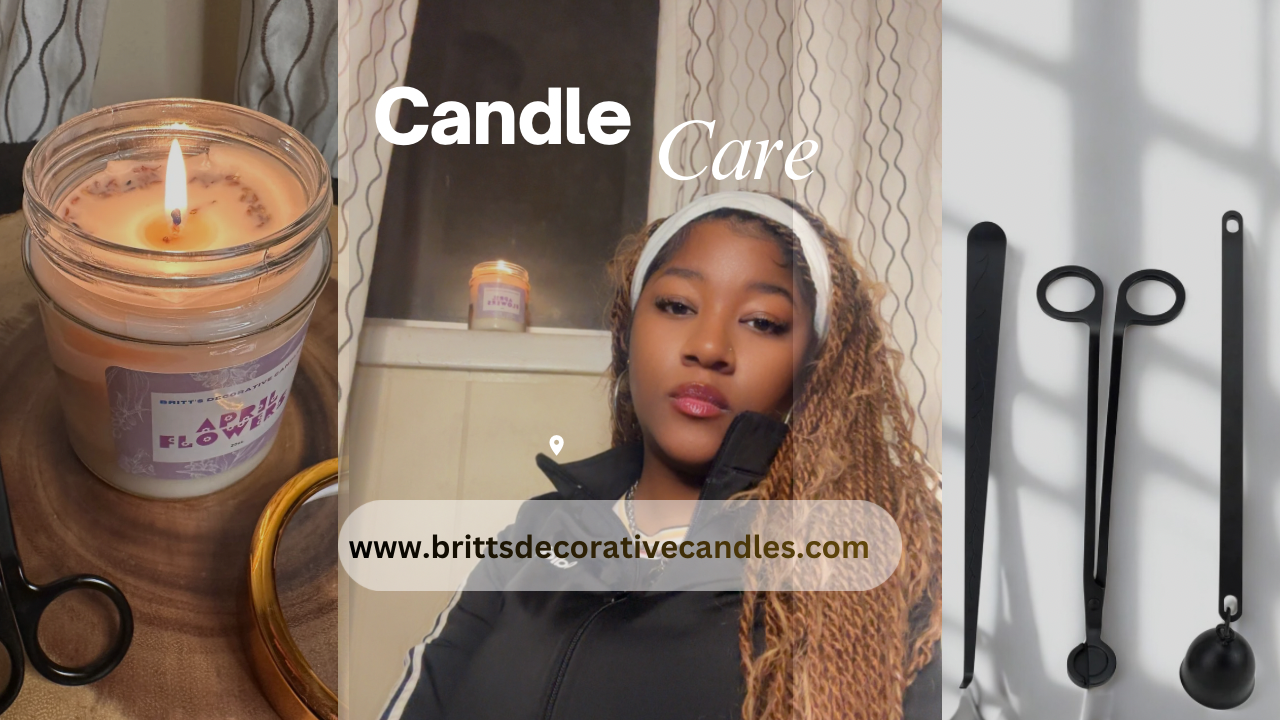
Candle Care Vlog
Candle Care Guide: How to Get the Most Out of Your Coconut Wax Candles
Coconut wax candles have quickly become a favorite among candle lovers—and for good reason. They burn cleaner, last longer, and offer an excellent scent throw. But to truly enjoy all their benefits, proper candle care is essential. Here’s everything you need to know to keep your coconut wax candles performing at their best.
✂️ 1. Trim Your Wick Before Every Burn
Before lighting your candle, always trim the wick to about 1/4 inch. This helps:
Prevent excessive soot
Create a steady, even flame
Extend the life of your candle
A long wick can cause flickering and uneven burning, so don’t skip this step.
🔥 2. Let the Wax Melt Evenly
During your first burn, allow the melted wax to reach the edges of the container. This usually takes 2–3 hours depending on the size.
Why it matters:
Prevents “tunneling”
Ensures an even burn throughout the candle’s life
⏱️ 3. Don’t Burn Too Long
While coconut wax burns slowly, avoid burning your candle for more than 3–4 hours at a time.
Overburning can:
Overheat the container
Degrade the fragrance
Shorten the lifespan of the candle
🌬️ 4. Keep Away from Drafts
Place your candle in a draft-free area. Airflow from fans, vents, or open windows can cause:
Uneven burning
Smoking or soot
Faster wax consumption
🛑 5. Know When to Stop
Stop using your candle when about 1/2 inch of wax remains at the bottom. Burning beyond this point can overheat the container and pose a safety risk.
🧼 6. Keep It Clean
Dust, debris, or leftover wick trimmings can affect burn quality. Keep the wax surface clean to maintain a consistent flame and scent throw.
🕯️ 7. Store Your Candle Properly
When not in use:
Keep candles in a cool, dry place
Avoid direct sunlight to prevent discoloration and scent fading
Use a lid to protect from dust
✨ Bonus Tip: Use a Candle Snuffer
Blowing out your candle can create smoke and disturb the wick. A snuffer helps extinguish the flame cleanly and keeps your wick centered.
https://youtu.be/H9ek6A_xLfk?si=F0aGeivnSPHUqk_M